
Have Questions? Talk to Expert (Binod)
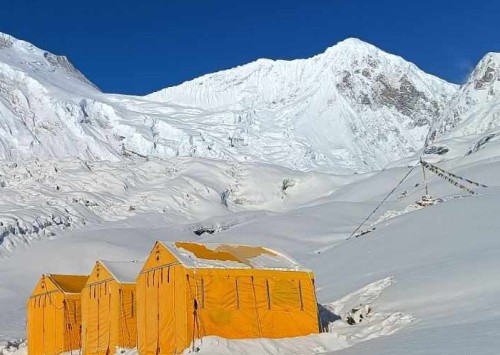
Nepal, a country adorned with the breathtaking grandeur of the Himalayas, offers adventurers a plethora of awe-inspiring peaks to conquer. Among these, Ratna Chuli stands as an emblem of challenge and beauty, beckoning experienced mountaineers to undertake an exhilarating expedition.
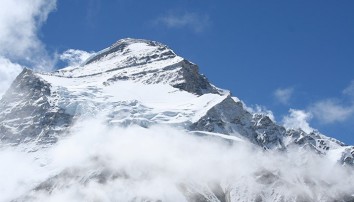
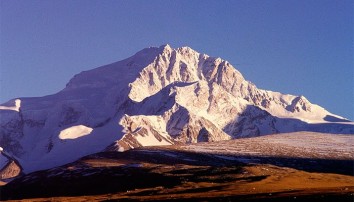
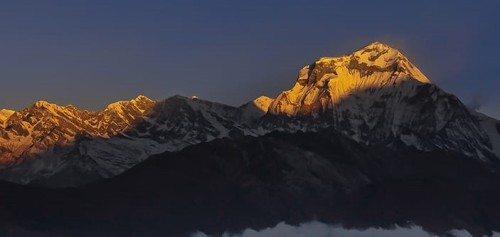
Ratna Chuli, at an elevation of 7,035 meters (23,083 feet), is situated in the Nar Phu Valley region of Nepal, adjacent to the revered Annapurna and Manaslu mountain ranges. Although not as renowned as some of Nepal's other peaks, Ratna Chuli's technical challenges and striking beauty make it an enticing yet demanding climb.
Ascending Ratna Chuli is not merely a physical feat but an awe-inspiring journey. The expedition typically begins in Kathmandu, where climbers prepare, gather supplies, and set out for the Nar Phu Valley. Trekkers traverse diverse landscapes, including lush forests, traditional villages, and rugged terrains, which gradually lead to the base camp.
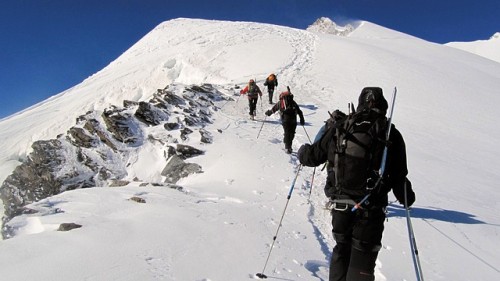
The climb itself demands technical expertise in mountaineering. As climbers navigate steep slopes, crevasses, and challenging ridges, the route poses various obstacles, requiring a careful and calculated approach. The summit bid involves a test of endurance and skill, where climbers must contend with low temperatures and unpredictable weather conditions. The breathtaking vistas of neighboring peaks and the surrounding landscape reward their perseverance.
What sets the Ratna Chuli expedition apart is not only the thrill of the climb but also the cultural and natural marvels encountered along the way. The Nar Phu Valley, less frequented by tourists, offers a glimpse into the traditional lifestyle of the local inhabitants, providing a unique cultural experience.
The region's cultural richness, adorned with prayer flags, monasteries, and warm hospitality, juxtaposes against the rugged, untamed natural beauty. The diverse flora and fauna, including rare wildlife, add an extra dimension to this extraordinary adventure.
Embarking on the Ratna Chuli expedition necessitates thorough preparation. Experienced guides and reputable expedition companies should be sought for safety and guidance. Physical fitness, acclimatization, and proficiency in mountaineering techniques are prerequisites for taking on this challenge.
The Ratna Chuli expedition stands as a testament to the allure and challenges of mountaineering in Nepal. Beyond the sheer physical test, it offers a remarkable exploration of nature, culture, and personal limits. Aspiring climbers and adventure enthusiasts seeking an unforgettable journey amidst the towering Himalayas will find Ratna Chuli a true gem, waiting to be discovered and conquered.
Welcome to the vibrant city of Kathmandu! Upon your arrival, our team will greet you at the airport and transfer you to your hotel. Take the day to rest and recover from your journey, and enjoy a traditional Nepali dinner to kickstart your adventure.
Today is dedicated to preparing for your upcoming trek and climb. Meet with your guide for a detailed briefing on the journey ahead. Ensure that all necessary equipment is in order, and take a short tour of Kathmandu, exploring its rich cultural heritage and vibrant markets.
Embark on a scenic drive to Koto, a picturesque village that marks the starting point of your trek. Enjoy the changing landscapes as you leave the hustle and bustle of the city behind. Arrive in Koto and settle into your lodge for a well-deserved night's rest.
Begin your trek as you traverse through beautiful landscapes and cross the Naar Phu Khola. Set up camp along the riverbank and enjoy the tranquility of the surrounding nature.
The trail leads you to Singenge Dharmshala, a serene spot surrounded by stunning mountain views. Camp amidst the peaceful alpine environment, preparing for the days ahead.
Today's trek takes you to the ancient village of Phu Gaon, a hidden gem nestled in the Himalayas. Experience the unique culture of the region and spend the night in a camp surrounded by towering peaks.
Take a day to explore Phu Gaon, interacting with the locals and learning about their customs. Use this time to acclimatize to the higher altitude, ensuring a smooth transition as you ascend further.
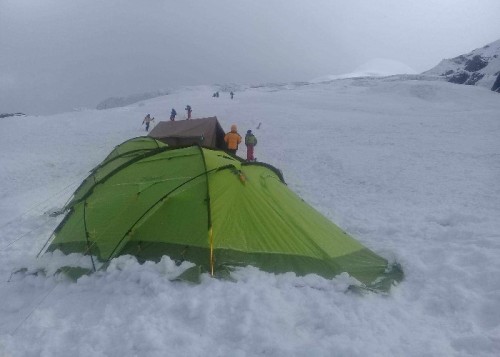
Embark on a challenging trek to Ratna Chuli Base Camp, surrounded by breathtaking mountain scenery. Set up camp and prepare for the climb ahead.
The next two weeks are dedicated to the ascent of Mt. Ratna Chuli. With your experienced guide and team, conquer the summit and revel in the unparalleled views from the top of the world.
After a successful climb, spend the day cleaning up the base camp and preparing for the descent. Reflect on your achievements and enjoy the last moments in this pristine mountain environment.
Descend back to Phu Gaon, where you can celebrate your accomplishment with the local community. Experience their hospitality and immerse yourself in the rich cultural tapestry of the region.
Continue your descent, trekking to Methang. Set up camp in this tranquil location and take in the beauty of the landscape one last time.
Complete your trek as you return to Koto. Relax in the comfort of a lodge and reminisce about the incredible journey you've undertaken.
Take a bus back to Kathmandu, where you can rest in the comfort of a hotel. Enjoy a relaxing evening with a bed and breakfast plan.
Spend your free day exploring Kathmandu or engaging in optional activities. In the evening, gather with the Himalayan Adventure Intl Treks staff for a farewell dinner in a traditional Nepali restaurant.
Bid farewell to Nepal as you depart for your home country. Carry with you the memories of an unforgettable adventure in the Himalayas. Until next time!
Nestled in the heart of the Himalayas, the Ratna Chuli Expedition stands as a testament to the allure and challenges of high-altitude mountaineering. Aspiring adventurers and seasoned climbers alike are drawn to this formidable peak, not just for its technical difficulties but also for the breathtaking vistas it offers. In this article, we delve into the details of the Ratna Chuli Expedition, the climatic seasons that shape its challenges, and the optimal time to embark on this exhilarating journey.
The Majesty of Ratna Chuli: Ratna Chuli, standing at an imposing height of 7,035 meters (23,077 feet), is situated in the Manaslu region of the Nepalese Himalayas. The peak is part of the Ganesh Himal range and is known for its steep faces, challenging rock and ice sections, and panoramic views that extend to neighboring peaks like Manaslu and Langtang.
The Expedition: The Ratna Chuli Expedition is not for the faint of heart. Climbers can expect a combination of technical rock climbing, ice climbing, and challenging ascents that demand a high level of skill and endurance. The route to the summit often involves traversing crevasses, negotiating seracs, and overcoming high-altitude challenges such as acclimatization.
Climatic Seasons: The Himalayan region experiences distinct climatic seasons, each presenting its own set of challenges for mountaineers. The two primary seasons for mountaineering expeditions are the pre-monsoon (spring) season and the post-monsoon (autumn) season.
Spring Season (Pre-Monsoon): Running from late April to early June, the spring season is the most popular time for the Ratna Chuli Expedition. During this period, the weather is relatively stable, and temperatures are milder, making climbing conditions more favorable. The days are longer, allowing for extended climbing hours and better visibility. The landscape comes alive with blooming rhododendrons and lush vegetation, adding a touch of vibrant color to the otherwise rugged terrain.
Autumn Season (Post-Monsoon): Spanning from late September to early November, the autumn season is the second-best window for the Ratna Chuli Expedition. Following the monsoon rains, the air is crisp, and the skies are generally clear. The temperatures are colder than in spring, but the scenery is equally mesmerizing with the surrounding peaks adorned in snow. The autumn season offers a quieter and more serene experience, as fewer climbers choose this time for their expeditions.
Choosing the Best Time: While both seasons have their merits, the best time for the Ratna Chuli Expedition largely depends on individual preferences and priorities. The spring season is ideal for those who seek milder temperatures, longer days, and a more social atmosphere with fellow climbers. On the other hand, the autumn season offers a more solitary experience, with colder temperatures but equally stunning vistas.
Embarking on the Ratna Chuli Expedition is a commitment to both physical and mental challenges, set against the backdrop of some of the world's most awe-inspiring scenery. Whether you choose the vibrant spring season or the tranquil autumn period, conquering this Himalayan giant promises the adventure of a lifetime. Each climber's journey to the summit is not just about reaching the pinnacle but also about discovering the resilience within and forming an unbreakable bond with the majestic peaks of the Himalayas.
Climbing Gear:
Clothing:
Safety Equipment:
Camping Gear:
Technical Equipment:
Navigation and Communication:
Personal Items: